The Bold Western Font That Gives Your Brand a Rugged Edge
There’s something magnetic about the Old West. It’s in the weathered wood of a saloon door, the bold lettering on a wanted poster, and the confident stance of a vintage sign. Capturing that spirit in modern design isn't about imitation—it’s about channeling a feeling of strength, authenticity, and unmistakable character. This is precisely where a typeface like Block Western steps in, offering a bridge between nostalgic Americana and contemporary visual impact.
More Than Just a Font: A Visual Identity Shortcut
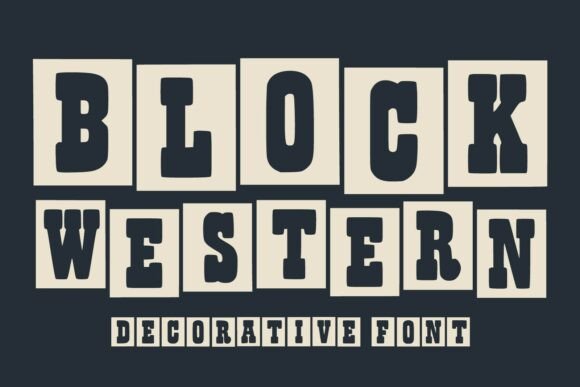
Block Western isn't your average serif or sans serif. It’s a premium display font built on a foundation of classic western letterforms, but with a modern, block-style construction. Think of the sturdy, all-caps lettering you’d see on a vintage rodeo poster or a rustic general store sign. The characters are designed with strong, confident shapes and decorative serifs that give each letter a playful yet authoritative presence. This unique blend means it does a lot of the heavy lifting for your brand's personality right out of the box.
For a small business owner launching a craft brewery, a line of artisanal hot sauces, or a boutique outdoor apparel company, this typeface becomes a cornerstone of brand identity. It immediately communicates a set of values: ruggedness, tradition, handcrafted quality, and a touch of adventure. Instead of searching for a complex logo mark, the font itself can serve as the primary visual element, ensuring visual consistency across everything from your website header to your packaging labels.
Where This Western Typeface Truly Shines
The true test of a creative font is its versatility. While its personality is strong, Block Western’s clean, blocky construction ensures it remains highly readable, making it suitable for a surprising range of applications beyond the obvious.
Imagine it setting the tone for a music festival poster, its boldness cutting through the noise of a crowded event. See it stamping a logo on a leather goods shop, where the letterforms seem almost embossed. It’s equally at home on a social media graphic for a barbecue competition, a hero image on a website for a rustic wedding venue, or the cover of a cookbook focused on campfire cuisine. Its strength lies in its ability to be the focal point, so it’s perfect for:
- Headlines and Hero Sections: Grabs attention instantly on websites and in editorial design.
- Logo Design: Creates memorable, typographic logos with built-in character.
- Packaging Design: Makes products stand out on shelves with a distinct, vintage feel.
- Merchandise: Looks fantastic on t-shirts, hats, and stickers for brands with a rugged aesthetic.
- Invitations and Event Materials: Sets a specific, themed mood for parties, weddings, or corporate events with a western twist.
- Digital Products and Marketing Assets: Elevates e-books, online course graphics, and email headers.
The key is using it where its personality can breathe. It’s a headline font, a title font, a logo font. Trying to set long paragraphs of body copy with it would undermine its impact and compromise readability. For that, you’d pair it with a simpler, neutral companion.
Practical Tips for Using a Bold Display Typeface
Adopting a font with this much personality requires a bit of strategy. Here’s how to integrate it effectively into your projects.
1. Master the Art of Font Pairing. The most critical step. Block Western demands a calm, understated partner. A clean sans serif font like Helvetica, Open Sans, or Lato works beautifully for body text, providing a modern counterpoint and ensuring your paragraphs are easy to read. A simple, elegant serif font could also work for more formal applications. Avoid pairing it with other decorative, script, or handwritten fonts, as this creates visual chaos.
2. Prioritize Readability and Scale. Because of its decorative details, this font performs best at larger sizes. Always test it at the intended size for your project. Will the unique serifs and block shapes be clear on a small mobile screen? Will they hold up when printed on a small label? Use it for titles and short, impactful statements, not for fine print.
3. Explore the Included Styles. A quality premium font like this often comes with more than just the standard uppercase letters. Look for included extras. Does it have alternate characters? What about a set of numerals and punctuation that match its style? Some might include decorative borders or symbols that can enhance your designs further. Understanding the full toolkit allows for more creative and cohesive applications.
4. Mind the Commercial License. If you’re using this for a business, a client project, or any merchandise you plan to sell, you need a commercial font license. Always verify the licensing terms of any font you download. Reputable foundries and marketplaces are clear about what is permitted—whether it’s for a single project, unlimited projects, or specific types of merchandise. Using a font correctly protects you legally and supports the designers who create these valuable design assets.
Crafting a Cohesive Brand Story
Ultimately, choosing a typeface like Block Western is a strategic decision about storytelling. It’s not just about what looks “cool.” It’s about aligning every visual touchpoint with the core narrative of your brand or project. A font that evokes the frontier spirit can help a brand stand out in a saturated market by offering a clear, authentic, and emotionally resonant identity.
Whether you’re a designer crafting a brand guide, an entrepreneur defining your product’s look, or a content creator developing a recognizable style, the right typeface is a fundamental tool. It can elevate professional presentation, foster stronger brand recognition, and ultimately drive deeper audience engagement. By choosing a font that carries inherent meaning, you give your audience an immediate visual cue about who you are and what you value, before they even read a word.