James: A Display Font with Unmistakable Character
There are moments in a project where a standard, workhorse typeface just won't cut it. You need something that grabs the viewer by the collar and demands attention—something with a personality so distinct it becomes a design element in its own right. This is where a font like James enters the conversation. It’s not a background player; it’s the headline act, designed for creators who want their work to leave a lasting, visceral impression.
Understanding the Bold All-Caps Aesthetic
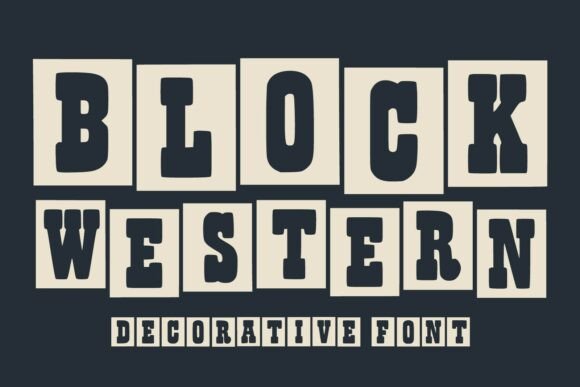
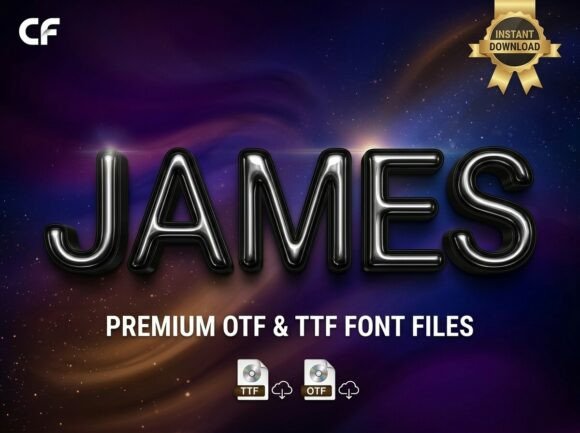
The first thing to know about James is its core design principle: it is an all-caps display typeface. This isn't a limitation; it's a deliberate, powerful choice. Every single letter is crafted as a standalone piece of art, featuring unique artistic elements that give the font a strong, visual personality. Think of it less as a collection of letters and more as a set of decorative symbols designed for maximum impact. This makes it a premium font choice specifically for high-stakes visual moments where every detail counts.
Because it lacks lowercase letters, James isn't meant for body text or lengthy paragraphs. Its purpose is singular and clear: to serve as the focal point. This specialization is its greatest strength. When you select James for a project, you’re making a conscious decision to prioritize bold expression over mundane readability. It’s the typographic equivalent of choosing a statement piece of furniture for a room—it sets the entire tone.
Where a Font Like James Truly Shines
So, where does such a distinctive typeface fit into real-world projects? Its versatility lies in its application across various creative domains where a professional and polished finish is non-negotiable, but ordinary won’t do.
- Logo Design & Brand Identity: For brands that want to project confidence, creativity, and a modern edge, James can become the cornerstone of a visual identity. A logo set in this font immediately tells customers you’re different. It works exceptionally well for boutique agencies, artisan product lines, edgy fashion labels, or tech startups that want to stand out from the sea of minimalist sans-serifs.
- Packaging Design: On a crowded shelf, packaging has a fraction of a second to communicate value. Using James for product names or key descriptors can create that crucial "pick me up" moment. Its artistic flair is perfect for gourmet foods, specialty beverages, cosmetics, or any product where the packaging itself is part of the experience.
- Editorial & Poster Design: Magazine covers, event posters, and book covers thrive on powerful headlines. James can deliver a sense of drama and importance that pulls a reader in. Imagine a festival poster or a magazine feature title set in this font—it instantly feels more curated and intentional.
- Digital & Social Media Graphics: In the fast-scrolling world of social media, a bold headline is everything. James is ideal for Instagram quotes, YouTube thumbnails, podcast cover art, and website hero sections. Its strong visual personality ensures your message cuts through the noise.
- Merchandise & Invitations: From t-shirts and tote bags to wedding invitations and event announcements, James adds a layer of artistic flair. For merchandise, it creates wearable art. For invitations, it sets a tone of sophisticated celebration before the guest even reads the details.
Integrating a display font like this into your toolkit can significantly improve your project's visual consistency and brand recognition. When used strategically, it becomes a recognizable asset that audiences associate with your unique style.
Practical Tips for Pairing and Professional Use
Using a strong personality font effectively requires a bit of strategy. Here’s some practical advice for getting the most out of James and ensuring your designs remain professional and engaging.
Master the Art of Font Pairing: A font with this much character needs a supportive partner. The golden rule is contrast. Pair James with a clean, neutral sans serif font or a simple serif font for body text. For example, a bold headline in James followed by a paragraph in a font like Lato, Open Sans, or Garamond creates a beautiful hierarchy. The display font does the heavy lifting for attention, while the simpler font ensures readability for longer content. Avoid pairing it with another decorative or script font, as they will compete for attention and create visual chaos.
Respect the Readability Considerations: Always prioritize your audience's ability to understand the message. Use James for short, impactful phrases: a brand name, a two-word headline, a call to action. Never use it for instructions, disclaimers, or any text where clarity is paramount. Test it at different sizes; a font that looks stunning large may become illegible if scaled down too much.
Review Your Files for Compatibility: You will receive both OTF and TTF files. The OTF (OpenType Font) is the professional standard, offering advanced typographic features in software like Adobe Creative Suite. The TTF (TrueType Font) ensures universal compatibility, which is crucial if you’re sending designs to clients or using the font across various devices and platforms. Always check that your software supports the file type.
Understand Commercial Licensing: Before using James in any commercial project—a client's logo, a product you sell, a marketing campaign—it is essential to understand the licensing terms. Most commercial fonts require a license for such use. Ensure your purchase covers your intended application to avoid legal issues down the line. This is a standard and responsible step in professional design work.
Ultimately, a creative font like James is a powerful tool in your design assets library. It’s not about replacing your everyday fonts but about having a specialist on hand for when you need to make a definitive statement. By understanding its personality and applying it with intention, you can elevate projects from simply competent to truly captivating, strengthening your brand identity and engaging your audience on a deeper visual level.