Retro Cowboy: A Vintage Display Font That Makes a Statement
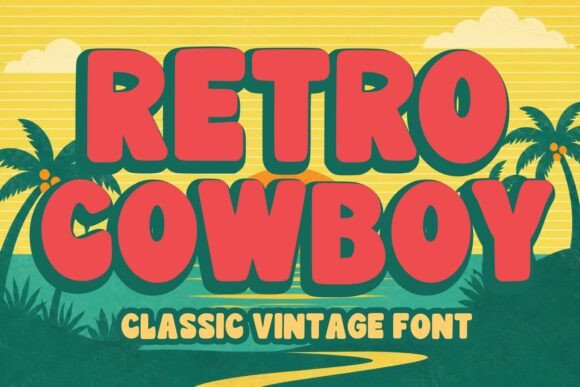
Sometimes a design needs more than clean lines and neutral tones—it needs personality. It needs the kind of visual punch that stops someone mid-scroll or makes them pick up a product from a shelf. That’s where a font like Retro Cowboy comes in. Inspired by vintage signage, classic advertising, and the bold typographic styles of the mid-20th century, this display typeface doesn’t whisper; it speaks up. With its thick, rounded letterforms and a distinctive shadow effect, it brings a sense of nostalgia and playful energy that’s hard to ignore. Whether you’re designing a logo for a new brand, creating posters for an event, or crafting social media graphics that need to stand out, understanding how to use a font like this effectively can make a real difference in your work.
Understanding the Font's Character and Visual Appeal
Retro Cowboy is a premium font that leans heavily into the aesthetics of vintage typography. The rounded shapes give it a friendly, approachable feel, while the integrated shadow adds depth and dimension. This isn’t a subtle, background player of a typeface—it’s designed to be the center of attention. The visual weight and style make it particularly effective for short, impactful text like headlines, logos, and brand marks. Think of the lettering on old rodeo posters, classic diner signage, or vintage product packaging. That’s the world Retro Cowboy draws from. Its strength lies in its ability to evoke a specific time and feeling without needing additional design elements to do the heavy lifting.
Because it’s a display font, it’s best used for larger applications where its details can be appreciated. Setting a long paragraph of body copy in Retro Cowboy would likely harm readability, but using it for a website header, a book cover title, or a product name on packaging? That’s where it shines. The key is to match the font’s personality to the project’s goals. A brand selling artisanal hot sauce, a music festival, a vintage clothing line, or a craft brewery could all find a natural fit with this typeface. It communicates authenticity, a bit of ruggedness, and a handcrafted quality that resonates with certain audiences.
Practical Applications Across Design Projects
The real value of any creative font is how it performs in the wild. Retro Cowboy’s bold style makes it a versatile tool for a range of applications. In branding and logo design, it can serve as the cornerstone of a visual identity, instantly setting a retro or western tone. For packaging, it can make a product name pop on a label or box, creating shelf appeal that attracts customers. Social media graphics benefit from its eye-catching nature, helping posts stand out in a crowded feed. Even in editorial layouts, like magazine feature titles or blog post headers, it can add a layer of visual interest and thematic consistency.
Consider these specific uses:
- Apparel and Merchandise: Perfect for t-shirt designs, hat embroidery, or tote bag graphics where a vintage look is desired.
- Event Promotions: Ideal for posters, flyers, and tickets for concerts, rodeos, festivals, or themed parties.
- Digital Products: Can be used in the design of e-book covers, online course thumbnails, or podcast artwork.
- Invitations and Stationery: Adds character to wedding invitations, greeting cards, or business cards for creative professionals.
- Website Design: Works well for hero section headlines, navigation labels, or promotional banners on a site.
Making It Work: Pairing and Readability Considerations
A font rarely works in isolation. The most effective designs often involve thoughtful font pairing. Since Retro Cowboy has such a strong personality, pairing it with a more neutral sans serif or a simple serif font for body text is usually a wise strategy. A clean, modern sans serif can provide a nice contrast, ensuring readability for longer text while letting the display font command attention. A classic serif could also work, especially if you’re leaning into a fully vintage aesthetic. The goal is to create a hierarchy where the headline grabs attention and the supporting text delivers the information clearly.
Readability is always a priority. When using a bold, stylized font, test it at the size you intend to use it. Check that letter spacing (tracking) is appropriate and that the text remains legible, especially at smaller sizes or on screens. Most premium fonts like this come with additional styles—perhaps a version without the shadow, or different weight variations. Exploring these options can give you more flexibility. For instance, a solid version without the shadow might be better for certain digital applications where fine details can get lost.
Integrating a Vintage Aesthetic into a Modern Brand
Using a retro-inspired typeface doesn’t mean your entire brand has to look like it’s stuck in the past. It’s about using vintage elements strategically to create a specific feeling. A brand can have a clean, modern website but use Retro Cowboy for its logo and promotional graphics to add warmth and character. The font can be a bridge between a contemporary product and a story of craftsmanship, tradition, or timeless style. For a small business owner, this can be a powerful way to differentiate from competitors who rely solely on generic, modern fonts.
From a marketing perspective, visual consistency builds recognition. If you choose Retro Cowboy as part of your brand identity, use it consistently across your touchpoints—social media posts, email headers, packaging, and advertising. This repetition helps customers associate that specific visual style with your business. It’s not just about looking good; it’s about building a cohesive brand experience. Before fully committing, create a few mockups. See how the font looks on a business card, a website mockup, and a social media ad. This practical testing will confirm if it truly aligns with your brand’s voice and the message you want to send.
Ultimately, a typeface like Retro Cowboy is a design asset that offers more than just letters. It offers a mood, an era, and a point of view. Used thoughtfully, it can elevate a project from ordinary to memorable, helping you connect with an audience that appreciates style with a story. Whether you’re a designer exploring new resources, an entrepreneur building a brand, or a crafter looking for the perfect font for your next project, understanding its strengths and best applications is the first step to using it effectively.