Wildstreet: Capturing the Raw Energy of Urban Walls in Your Designs
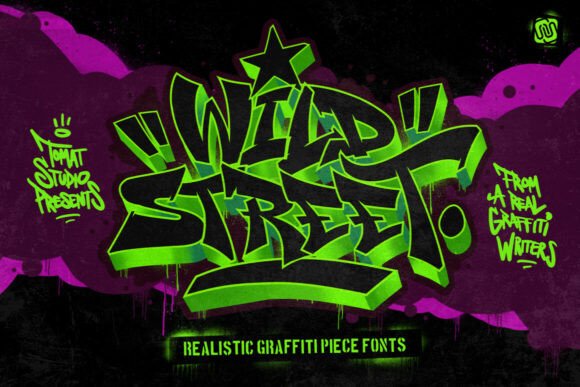
You know that feeling when you walk past a piece of raw, authentic graffiti? There's an unmistakable energy to it—a sense of urgency, rebellion, and pure, unfiltered expression. It’s not polished or polite; it’s real, gritty, and demands attention. Now, imagine harnessing that same visceral power for your own creative projects. That's precisely what the Wildstreet typeface delivers. Crafted not in a sterile design studio but born from the hands of an artist with years of actual street experience, this font isn't just an imitation of urban art—it's a direct translation of its spirit. If you're tired of fonts that feel sterile or overly manufactured, Wildstreet offers an authenticity that can instantly inject life and credibility into your work.
More Than Just a Graffiti Font: The Authentic Street Artist's Touch
Many fonts try to capture the "street" aesthetic, but they often end up looking cartoonish or like a generic computer effect. Wildstreet is different. Its design DNA comes from understanding the movement of a spray can, the pressure of a marker, and the imperfections that give real graffiti its character. The strokes have a natural, hand-done weight to them. You can see the slight variations in line thickness, the intentional drips, and the raw edges that you’d find on a brick wall in a city alley. This isn't a font that's trying to be edgy; it is edgy by nature. For designers and creators, this means you’re starting with a tool that already has a story and a soul. It brings an underground vibe to your projects that feels earned, not applied.
Practical Applications: Where Wildstreet Truly Shines
So, where can you use a font with this much personality? The beauty of Wildstreet is its versatility within specific creative realms. It’s a premium font built for impact, making it ideal for projects where you need to make a bold statement immediately.
- Branding & Logo Design: Perfect for businesses in streetwear, skateboarding, urban exploration, music (especially hip-hop or punk), or any brand that prides itself on being counter-culture and authentic. A logo using Wildstreet instantly communicates a brand identity that’s fearless and real.
- Packaging Design: Imagine this font on a limited-edition sneaker box, a craft beer can, or a snack bag targeting a younger, urban demographic. It creates shelf appeal that pops and feels connected to a lifestyle.
- Social Media & Digital Content: For Instagram posts, YouTube thumbnails, or TikTok graphics, Wildstreet grabs attention in a crowded feed. It’s fantastic for event promotions, album drops, or any call-to-action that needs energy.
- Print & Merchandise: Think concert posters, festival banners, t-shirt designs, and stickers. The gritty texture of the typeface holds up well in print and translates beautifully to apparel, giving merchandise an authentic, handcrafted feel.
- Editorial & Web Design: Used sparingly for headlines or pull quotes in magazines, blogs, or website hero sections, it can add a dramatic, engaging focal point. It works exceptionally well for articles on urban culture, music reviews, or art features.
Integrating Wildstreet into Your Design Workflow
While Wildstreet is powerful, using it effectively requires a bit of strategy. As a display font, it’s meant for headlines and short bursts of text, not for body copy. Its strength is in its visual impact, so pair it wisely. Consider combining it with a clean, simple sans serif font for body text to ensure readability. The contrast between the wild, expressive Wildstreet and a neutral companion creates a balanced and professional layout.
One of the best practical tips is to experiment with the font’s settings. Because it’s a creative font with character, adjusting the kerning (the space between letters) can help you achieve the exact look you’re going for, whether you want the letters to feel tightly packed and aggressive or slightly spaced out for clarity. The font is also PUA-encoded, which is a fancy way of saying you have easy access to all the alternate characters, swashes, and glyphs. This allows for extensive customization—you can tweak a letter here or add a flourish there to make your text truly unique.
Choosing and Pairing for Maximum Effect
When selecting a font like Wildstreet, always start with your project's goal. Is it to evoke nostalgia? To shout rebellion? To celebrate urban art? Let that guide your choice. Once you’ve decided, think about the ecosystem of typography around it. A successful font pairing is like a good conversation; each voice has a role. Wildstreet is the loud, charismatic storyteller, so its partner should be a good listener—something understated and legible.
Always test your pairings in context. Mock up a social media post or a packaging label to see how the fonts interact. Check readability at different sizes, especially on mobile screens. While Wildstreet is designed for impact, you want to ensure your core message isn’t lost in the style. Also, review the included font files. Often, a display typeface like this will come with multiple styles or weights that can offer subtle variations for different uses.
Finally, for any commercial project, always double-check the licensing. A good commercial font will have clear terms that allow you to use it for client work, merchandise, and digital products without legal headaches. This is a crucial step in maintaining a professional and ethical design practice.
In the end, typography is a powerful tool for visual communication. A font like Wildstreet doesn’t just spell words; it conveys attitude, context, and emotion. By choosing a typeface with genuine roots in street culture, you’re not just decorating a design—you’re giving it a voice that resonates with an audience looking for authenticity. It’s about making a connection, one bold, gritty letter at a time.