Western Goldrush: A Typeface That Carries the Spirit of the Frontier
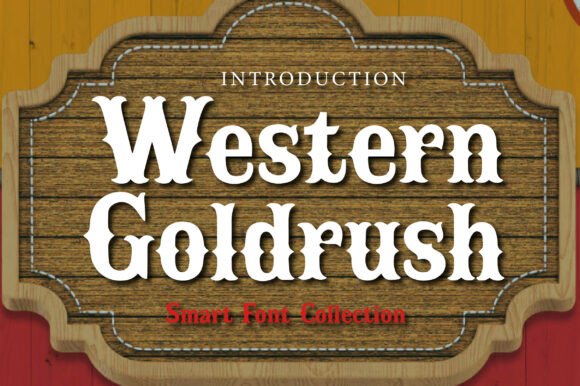
There’s a certain grit and grandeur to the old West that’s hard to capture in modern design. It’s in the weathered wood of a saloon door, the bold lettering on a wanted poster, and the sturdy, no-nonsense typography of a frontier general store. If you’re aiming to evoke that feeling—the dust, the determination, the discovery—in your creative work, the right typeface isn’t just a tool; it’s a time machine. Enter Western Goldrush, a bold vintage display font that doesn’t just mimic history; it channels the very essence of the gold rush era. This isn’t about slapping a cowboy hat on your text. It’s about harnessing a design language that speaks of authenticity, adventure, and a rugged, memorable presence.
Capturing Authenticity in Every Stroke
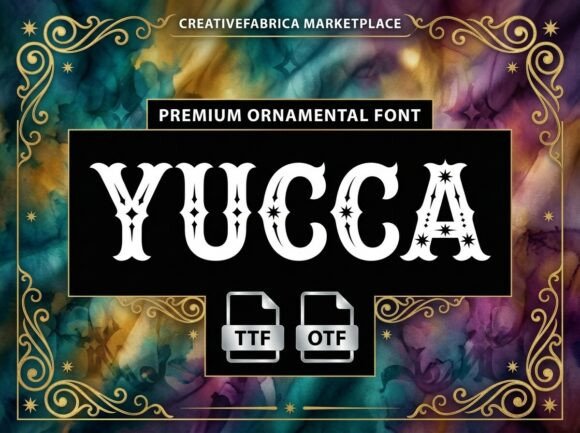
What makes a font like this feel so genuinely “western”? It’s in the details. Western Goldrush is built on a foundation of decorative serif details and rugged character shapes. Think of the slight irregularities that come from hand-painted signs, the thick-and-thin contrasts that give each letter weight and movement, and the subtle weathering that suggests a story behind every curve. This display font is designed to be a headline act. It’s bold, it’s confident, and it carries an old-town presence that immediately sets a scene. Unlike a clean sans serif font that feels corporate or a delicate script font that feels personal, Western Goldrush occupies a unique space: it’s historic, strong, and packed with character.
The key to its appeal is balance. While it’s decorative, it doesn’t sacrifice readability for style. The letterforms are crafted to be instantly recognizable even at a distance, which is crucial for any creative font intended for logos, signage, or posters. This blend of traditional western influence with modern design sensibilities means it can serve as the cornerstone of a brand identity that needs to stand out in a crowded market.
From Saloon Doors to Digital Storefronts: Practical Applications
Where does a font with this much personality shine? Its versatility might surprise you. For branding, it’s a powerhouse. A craft brewery, a BBQ sauce company, a vintage clothing line, or a specialty coffee roaster could build an entire visual identity around this typeface. It tells customers exactly what to expect: something authentic, handcrafted, and full of flavor.
In logo design, it becomes the hero. Pair it with a simple, rustic icon—a horseshoe, a cactus, a pickaxe—and you have an emblem that’s both timeless and impactful. For packaging design, it can elevate a product on the shelf, making it feel premium and rooted in tradition. Imagine it on a hot sauce bottle or a bag of artisanal jerky; the font does the marketing work before the customer even reads the description.
Beyond products, think about social media graphics and marketing assets. A bold, textured heading using Western Goldrush can stop the scroll for a food blogger promoting a rustic recipe, a travel creator highlighting a desert adventure, or a history enthusiast sharing a fact about the frontier. It adds instant thematic weight to your digital products, like printable wall art, planners, or invitation templates for themed events. For editorial design, it can create striking chapter headings in a book or captivating titles for a magazine feature about Americana or outdoor life.
Strategic Pairings and Professional Polish
A premium font like this works best as part of a system, not in isolation. The most effective way to use a strong display typeface is to pair it with something more neutral. A clean, geometric sans serif font for body text provides a perfect counterbalance, ensuring your message remains clear and easy to read. You could also pair it with a simple, handwritten font for a more casual, personal touch in quotes or callouts. The goal is visual consistency; the Western Goldrush sets the dramatic tone, while its partner font delivers the supporting information without competing for attention.
Before committing to any font for a client project or your own brand, always test it. Does it work in all caps? How does it look at small sizes? Does it maintain its integrity when printed on different materials? Review the included font styles—does it come with alternate characters, ligatures, or multilingual support? These details matter for professional commercial font use. Furthermore, always be crystal clear on the licensing. Ensure the license covers your intended use, whether for a single client project, unlimited commercial print runs, or digital embedding on a website.
Beyond the Obvious: Unexpected Places for Frontier Flair
While the immediate connections are clear, consider more nuanced applications. A western font can add unexpected charm to web design for a boutique hotel in a desert town, a wedding photographer specializing in rustic themes, or a startup selling outdoor gear. It can make a blog header instantly more engaging or give a book cover for a historical novel immediate genre recognition. For entrepreneurs and small business owners, it’s a tool for differentiation. In a world of minimalist sans serifs, a thoughtfully chosen vintage serif can communicate heritage, quality, and a distinct point of view.
Ultimately, choosing a typeface like Western Goldrush is about making a deliberate choice. It’s about matching your typography to the story you want to tell. It won’t be the right fit for a fintech app or a pediatric clinic, but for the right project, it’s not just a font—it’s a foundational piece of your narrative. It brings that timeless frontier energy to your work, ensuring your designs aren’t just seen, but felt. So, if your next project calls for a dose of bold authenticity, a touch of nostalgia, and a whole lot of character, it might be time to stake your claim and let your typography do the prospecting.