The Mariland Quite: Where Architectural Stencil Meets Fluid Script
There's a particular challenge in design that keeps coming up: how do you combine strength with elegance? How do you create something that feels both structured and human at the same time? If you've wrestled with this question while working on a brand identity, a magazine layout, or even a wedding invitation, you've probably tried pairing different fonts together, hoping they'd speak the same visual language. That's exactly the problem The Mariland Quite was built to solve.
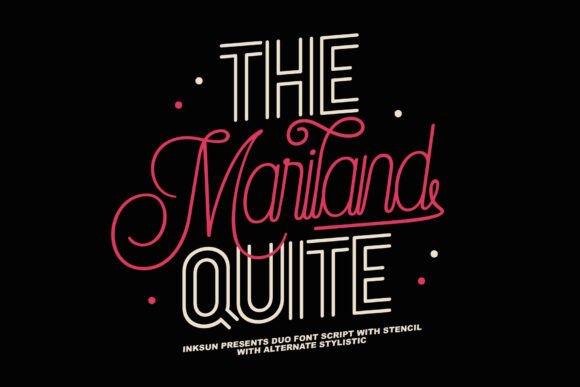
This isn't just another font collection sitting quietly in your library. The Mariland Quite is a creative duo font that pairs a sophisticated, multi-line stencil display typeface with a fluid, monoline script. The geometric, layered lines of the stencil font provide an architectural foundation, while the script's elegant loops and alternate stylistics add a touch of handcrafted warmth. This pairing is ideal for high-concept branding, editorial layouts, and modern signage that requires a balance of structure and flair.
A Typeface Built for Contrast and Harmony
What makes this particular combination work so well? Think about the buildings you admire most in cities. There's usually a tension between the rigid materials—concrete, steel, glass—and the softer elements like curved staircases, arched windows, or gardens tucked into courtyards. The best architecture doesn't fight that tension; it leans into it. The Mariland Quite operates on the same principle.
The stencil display component has a bold, multi-line construction that immediately commands attention. Each letterform is composed of layered geometric strokes, creating a sense of depth and dimension even in flat applications. It feels industrial yet refined, reminiscent of construction signage but elevated through careful spacing and proportion. This is the kind of display font that anchors a design, giving it weight and authority.
Then there's the script counterpart. It flows with a monoline consistency—meaning the stroke width stays relatively even throughout—which keeps it from feeling too ornate or old-fashioned. The loops are graceful without being fussy. Alternate stylistic characters give you options to customize the look, whether you want something slightly more formal or casually expressive. Together, these two typefaces create a dynamic conversation between precision and personality.
Where This Font Pairing Truly Shines
Let's get practical. You're probably reading this because you have a project in mind, and you need to know whether this premium font will actually work for what you're creating. Here's where The Mariland Quite tends to perform exceptionally well.
Brand identity work is a natural fit. If you're building a brand from scratch—maybe for a boutique hotel, a artisan food company, a creative agency, or a fashion label—this font duo gives you immediate versatility. Use the stencil typeface for headlines on your website and printed materials, then let the script handle taglines, accents, and signature moments. The contrast between the two creates visual interest without sacrificing cohesion, which is something many businesses struggle to achieve when they try mixing fonts from different sources.
Packaging design benefits enormously from this kind of thoughtful typography. Picture a craft spirits label, a specialty coffee bag, or a luxury candle box. The stencil font can carry the brand name with authority, while the script adds warmth to descriptors like "small batch" or "hand-poured." The layered lines of the stencil letterforms also reproduce beautifully at larger scales, making them perfect for shelf displays and point-of-sale materials.
Editorial layouts and magazine design are another sweet spot. Pull quotes, section headers, and feature titles all benefit from a display font that has real presence. The multi-line stencil construction gives your layouts a modern, architectural feel that works especially well for design, architecture, lifestyle, and culture publications. Pair it with a clean sans serif for body text, and you've got a sophisticated typographic system that feels intentional and curated.
Social media graphics and digital marketing demand fonts that read well at various sizes and still look distinctive on a crowded feed. The stencil display style of The Mariland Quite holds up beautifully in Instagram posts, Pinterest pins, and Facebook headers. It has enough visual complexity to stand out in a thumbnail, but the clean geometry keeps it legible. The script component works well for call-to-action overlays, quote graphics, and story templates where you want a personal, handwritten feel without sacrificing professionalism.
Event invitations and stationery are where the script really comes alive. Wedding suites, gala invitations, corporate event materials, and even graduation announcements can benefit from that monoline fluidity. The alternates included in the script give you the ability to customize letterforms so your invitations feel genuinely bespoke rather than template-driven.
Making Smart Typography Decisions for Your Project
Having a great font is only half the equation. Knowing how and when to use it is what separates polished design from something that feels off. Here are some honest, practical thoughts on working with a duo font like this one.
Don't use both styles everywhere at once. The power of The Mariland Quite comes from the contrast between its two components. If you plaster the stencil font across every surface and sprinkle the script on every line, you'll dilute that impact. Instead, establish a hierarchy. Let one style dominate a given application while the other plays a supporting role. On a business card, for instance, the stencil typeface might handle the company name, while the script addresses a tagline or the owner's name.
Think about your audience before you think about your personal taste. You might love the architectural weight of the stencil display, but if you're designing for a yoga studio or a children's brand, it might feel too industrial. Conversely, if you're working on materials for a construction firm or a tech startup, the script might feel too delicate for primary use. Match the font's personality to the emotional tone your audience expects. This is where brand strategy and typography intersect in meaningful ways.
Test at actual sizes before committing. This sounds obvious, but it's a step many people skip. A font that looks stunning in a 200-point headline on your screen might become illegible at 14 points in a printed brochure. The Mariland Quite's stencil display is genuinely a display font—it's designed for headlines, logos, and large-scale applications. Don't try to force it into body copy. Use the script sparingly at smaller sizes, and always print a test sheet or view a mockup at production dimensions before finalizing your design.
Pair thoughtfully with supporting fonts. You'll likely need a workhorse typeface for longer text blocks—a clean sans serif or a readable serif font that doesn't compete for attention. The Mariland Quite handles the spotlight; it needs quieter companions for the supporting cast. Look for typefaces with similar x-heights or geometric proportions that complement without mimicking.
Understanding What You're Getting
Before purchasing any commercial font, it's worth understanding exactly what's included and how licensing works. The Mariland Quite comes with both the stencil display and script styles, along with stylistic alternates that expand your creative options. Review the full character set and alternates before starting a project so you know what's available. Those alternate letterforms can make a significant difference in the final look, especially in logos and headlines where every detail matters.
Licensing is another consideration that often gets overlooked until it becomes a problem. If you're using this font for client work, merchandise, or digital products you plan to sell, make sure your license covers commercial use at the scale you need. Most premium font licenses distinguish between desktop use, web use, and application embedding. Read the terms carefully. It's a small step that protects both you and your clients down the road.
Bringing Structure and Soul Together
The real gift of a thoughtfully designed font pairing like The Mariland Quite is that it removes guesswork from one of the most important decisions in any visual project. Typography sets the tone before anyone reads a single word. It signals whether a brand is traditional or contemporary, playful or serious, luxurious or accessible. When you find a typeface system that handles both the structural and emotional sides of that equation, you've found something genuinely useful.
Whether you're building a brand identity from the ground up, refreshing your social media presence, designing packaging for a new product, or laying out pages for a publication, this duo font gives you a versatile foundation. The stencil display brings architectural confidence. The script brings human warmth. Together, they create a visual voice that feels both deliberate and alive—the kind of typography that makes people stop scrolling, pick up a brochure, or remember a logo long after they've seen it.