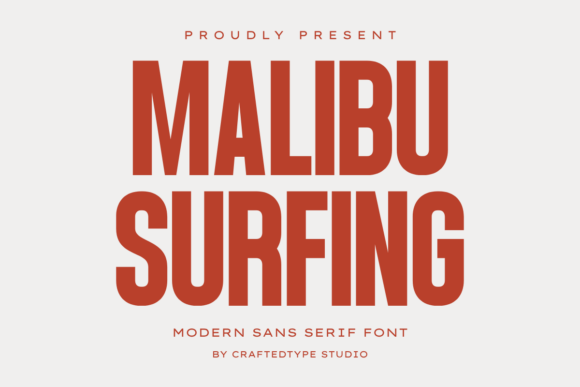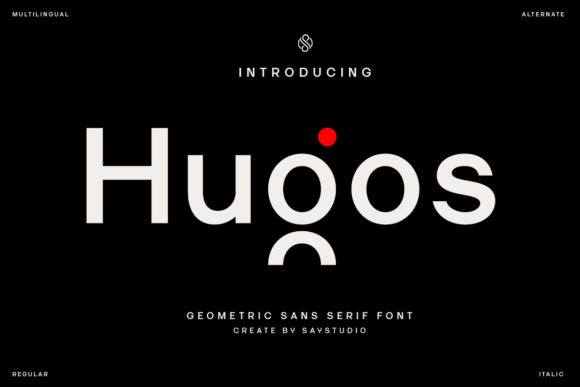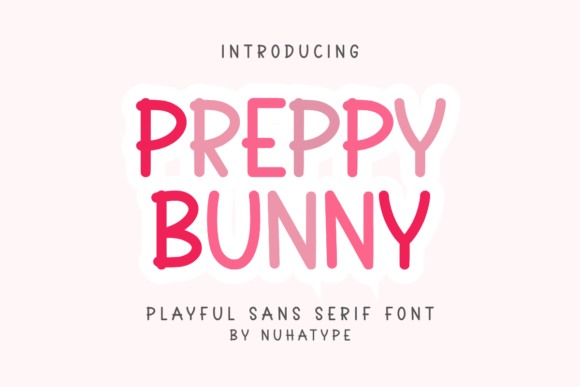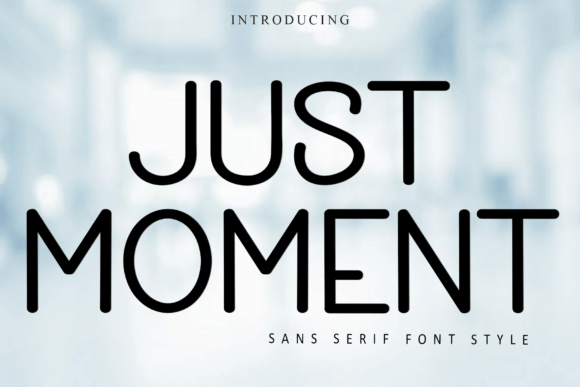
Slice: The Bold Sans Serif for Commanding Visuals
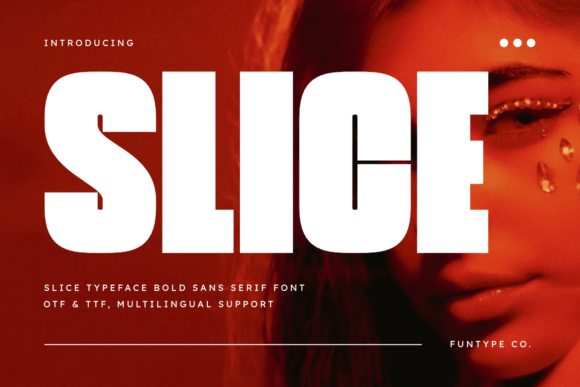
When a design needs to stop someone mid-scroll or make a statement from across the room, the typography has to do the heavy lifting. Not every font is built for that kind of pressure. Some typefaces whisper; Slice shouts. This is a heavy, geometric sans serif designed from the ground up for moments that demand attention—think powerful headlines on a poster, the name of a startup on a billboard, or the title on packaging that needs to leap off a crowded shelf. Its clean lines and substantial weight give it an inherent authority, making it a go-to choice for projects where clarity and impact are non-negotiable.
A Typeface Built for Strength and Clarity
What makes Slice feel so powerful? It starts with its construction. The letterforms are based on simple, geometric shapes—circles, squares, and straight lines—pushed to their boldest extremes. There’s no unnecessary ornamentation or delicate serifs to distract the eye. This creates a sense of modern stability and confidence. The counters (the enclosed spaces in letters like 'O' or 'A') are open and generous, which is a crucial detail. Even at a heavy weight, the letters remain legible and don’t turn into muddy blobs, a common problem with less thoughtfully designed bold fonts.
This combination of heft and clarity is what makes it a versatile display font. It doesn’t just work at poster size; it translates surprisingly well to digital contexts where a strong brand voice needs to come through. For a brand identity, using a font like Slice for your primary wordmark instantly communicates strength, reliability, and a no-nonsense attitude. It’s the typographic equivalent of a firm handshake.
Practical Applications: Where Slice Truly Shines
Theory is nice, but how does a font like this actually perform in the wild? Its bold nature makes it ideal for a wide range of creative and commercial projects where the goal is to be seen and remembered.
- Logo Design & Branding: For a tech company, a fitness brand, or a modern agency, Slice provides a foundation that feels contemporary and decisive. It pairs exceptionally well with a simpler, lighter sans serif or even a classic serif font for body copy, creating a dynamic and professional typographic hierarchy.
- Packaging Design: On a shelf, you have milliseconds to make an impression. Slice’s bold weight ensures the product name or key benefit is instantly readable. It works beautifully for minimalist designs where the typography is the graphic element, or for industrial-themed products like tools, hardware, or specialty foods.
- Poster & Advertising Design: This is its natural habitat. Whether it’s a music festival, a product launch, or a motivational print, Slice commands the space. Its geometric structure allows for creative layouts where text can be arranged in blocks or used as a dominant visual shape.
- Social Media Graphics: In a fast-moving feed, bold text stops the scroll. Use Slice for the main headline in a quote graphic, a sale announcement, or a podcast title card. Its high-impact style ensures your message cuts through the noise, even on a small phone screen.
- Web & Blog Headers: A strong H1 or H2 using Slice can anchor a webpage, giving it an immediate sense of purpose and style. It’s particularly effective for lifestyle blogs, portfolio sites, and online stores that want to project a confident, curated aesthetic.
- Editorial & Print Layouts: In magazines, lookbooks, or annual reports, Slice can be used for chapter titles, pull quotes, or section dividers. It adds a modern, graphic punch to traditional print formats, making the content feel more engaging and contemporary.
Choosing and Pairing Your Font Styles
When you download a premium font like Slice, you’re not just getting one file. The provided OTF and TTF formats ensure compatibility, but look at the font family itself. A robust typeface often includes multiple weights and styles. While Slice is defined by its boldness, a family might include a slightly lighter weight for subheadings or a condensed version for tight spaces. Reviewing these included styles is the first step in building a cohesive system.
The real magic often happens in font pairing. Because Slice is so assertive, it benefits from a partner that complements rather than competes. Here are a few practical approaches:
- Pair with a Neutral Workhorse: Combine Slice headlines with a clean, highly readable sans serif like Open Sans, Lato, or even a system font for body text. This lets Slice do the talking while the supporting text provides easy reading.
- Create Contrast with a Serif: For a more sophisticated or editorial feel, pair Slice with a traditional serif like Georgia, Merriweather, or a modern serif. The contrast between the geometric boldness and the classic serifs can be very striking.
- Add a Touch of Personality: For projects needing a bit more flair, a subtle script font or handwritten font can be used for accents, signatures, or subheadlines alongside Slice’s main headlines. The key is restraint—use the script sparingly to avoid visual chaos.
Always test your pairings in context. Type out a full headline and a paragraph of body text. Check the sizing, spacing, and how they interact visually. Does the hierarchy feel natural? Can you tell which element is more important at a glance? Readability is paramount, even for a display font. Ensure the line height (leading) and letter spacing (tracking) are adjusted so that even bold text remains comfortable to read in longer headlines.
Integrating Slice into Your Design Workflow
Adopting a new typeface into your toolkit is about more than just liking the look. It’s about understanding its personality and ensuring it aligns with your project’s goals. Ask yourself: Does the confident, geometric style of Slice match the voice of the brand or the tone of the message? A playful children’s brand might find it too severe, while a construction company or a tech startup would find it a perfect fit.
From a practical standpoint, always be mindful of commercial licensing. Fonts like Slice are professional design assets, and their licenses define how you can use them—whether for a single client project, multiple brands, or products for sale like merchandise or digital products. Respecting the license is part of professional practice.
Ultimately, a font like Slice is a tool for visual communication. Its strength lies in its ability to convey a message with immediacy and force. By thoughtfully applying it to your logo design, packaging, social media graphics, or web design, you’re not just choosing letters—you’re crafting an experience. You’re ensuring your brand’s first impression is as bold and clear as the message you want to send. In a world saturated with visual noise, that kind of clarity is invaluable.