Sanford Salvage: A Typeface with Vintage Soul and Modern Grit
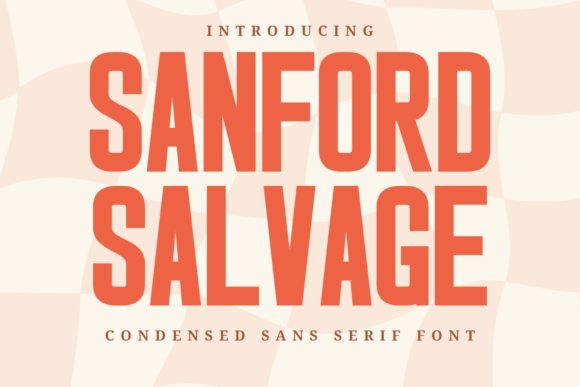
There’s a particular kind of charm in a font that feels like it was pulled straight from a weathered shop sign or a 1950s advertisement. It carries history, personality, and an immediate sense of authenticity. That’s the essence of Sanford Salvage—a bold, condensed sans serif typeface that blends retro aesthetics with the clean functionality needed for today’s design landscape. For creators looking to inject a dose of nostalgic character into their work, this typeface offers a compelling toolkit.
Visual Character and Readability
At its core, Sanford Salvage is defined by its thick, robust letterforms and a condensed structure that commands attention without overwhelming a layout. The design draws clear inspiration from classic American signage and advertising typography—think vintage brewery labels, old gas station logos, or mid-century movie posters. Yet, despite its vintage roots, the font avoids feeling overly ornate or difficult to read. The strokes are clean and the shapes are uncomplicated, which ensures excellent legibility across various sizes and mediums. This balance is crucial; a display font can have all the personality in the world, but if it’s not functional, its use becomes limited.
The aesthetic is distinctly retro and vintage, but it’s not a direct replica of any single historical style. Instead, it captures a mood—one of resilience, craftsmanship, and timeless appeal. This makes it incredibly versatile. It can feel at home on a modern craft beer label just as easily as it would on a retro-themed wedding invitation. The key is its strong visual presence; it doesn’t whisper, it speaks clearly and confidently.
Practical Applications for Creators and Businesses
Where does a font like this truly shine? Its applications are broad, spanning both digital and physical projects. For branding and logo design, Sanford Salvage offers an instant identity. It’s particularly effective for brands that want to convey heritage, authenticity, or a rugged, artisanal quality. Imagine it on a logo for a specialty coffee roaster, a barbershop, or a handcrafted leather goods store. The typeface does much of the heavy lifting in establishing brand personality from the first glance.
In packaging design, its bold strokes ensure product names pop on shelf. For social media graphics and blog headers, it can create eye-catching titles that stand out in a crowded feed. Its condensed nature is a practical advantage here, allowing you to fit more impactful text into limited space. For merchandise—think custom t-shirts, hats, and mugs—the font’s weighty character translates beautifully to print, giving products that desirable “retro cool” factor that resonates with consumers.
Beyond commercial use, it’s a fantastic asset for editorial layouts, poster design, and digital products like downloadable prints or planners. Crafters and hobbyists will also find it highly reliable for projects involving cutting machines like Cricut or Silhouette. The solid, simple shapes make weeding vinyl decals and labels a more straightforward process, which is a huge plus for anyone working with physical materials.
Strategic Font Pairing and Project Considerations
Choosing the right typeface is about more than just liking how a letter looks in isolation. It’s about how it functions within a larger system. Sanford Salvage is a display font—its strength lies in headlines, logos, and short, impactful text blocks. For body copy or longer paragraphs, pairing it with a highly readable serif or a clean modern sans serif is essential. A classic serif like Garamond or a simple geometric sans serif like Helvetica can provide a calm, legible counterpart to Sanford Salvage’s bold energy.
Always test your font pairings in context. Create a mockup of your actual project—a business card, a website header, a product tag—to see how the fonts interact in terms of visual consistency and hierarchy. The goal is complementary contrast, not competition. Sanford Salvage should be the star of the show for key elements, supported by a typeface that handles the supporting role of readable information.
It’s also wise to review the specific font styles included with your purchase. Does it come with alternate characters, ligatures, or multiple weights? Understanding the full toolkit allows for more creative and nuanced designs. Finally, always clarify the commercial licensing terms. Ensure the license covers your intended use, whether it’s for a client’s logo, print-on-demand merchandise, or digital products for sale. This due diligence is a non-negotiable part of professional design work.
Injecting Nostalgic Energy into Modern Projects
In a digital landscape saturated with sleek, minimalist typography, a font with authentic vintage character can be a powerful differentiator. Sanford Salvage provides that distinct voice. It’s not just about looking old; it’s about evoking a feeling of craft, reliability, and story. For a small business owner, it can help build a brand identity that feels established and trustworthy from day one. For a content creator, it adds a layer of visual interest and personality that can increase audience engagement.
Remember, the most effective use of any creative font is intentional. Define the emotion and message you want to convey first. Then, select a typeface like Sanford Salvage that aligns with that vision. Use it to create a focal point, to anchor a design, or to instantly set a thematic tone. When used thoughtfully, it becomes more than just letters on a page—it becomes a vital component of your visual communication strategy, helping your projects resonate with a timeless, compelling appeal.