Junipera: A Simple Handmade Sans Font for Modern Design
Finding a typeface that feels both personal and polished can be a real challenge. You want something with character, a human touch that stands out from the sterile perfection of standard system fonts. But you also need clarity and versatility. Too many handwritten fonts look chaotic at small sizes or feel unprofessional for business use. This is where a thoughtfully crafted option like Junipera steps in, bridging the gap between organic warmth and clean, functional design.
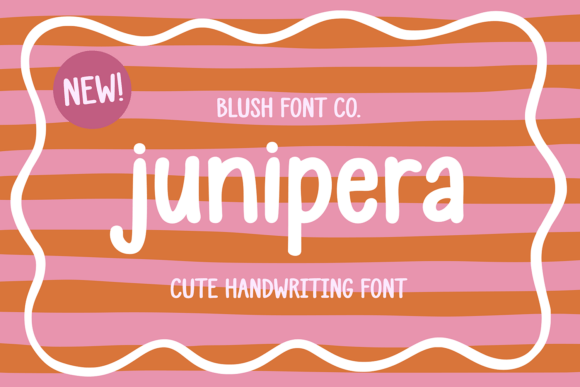
Junipera is a simple handmade sans font. Its core appeal lies in its minimal and natural hand-drawn feel. The letterforms are built on a sans-serif foundation, meaning they lack the small decorative strokes (serifs) at the ends of letters. This gives them a clean, modern starting point. The "handmade" aspect comes from subtle, intentional imperfections. You'll notice slight variations in line weight and gentle, organic curves that mimic the flow of a pen or marker held by a steady hand. It’s this balance that makes it so useful. It avoids looking messy or overly stylized, ensuring readability while injecting personality.
Where a Font Like Junipera Truly Shines
The practical applications for a font with this personality are surprisingly broad. It’s not just for one type of project; its adaptability is its strength. Think about the projects where you need to convey approachability, creativity, or a sense of crafted quality.
- Branding & Logo Design: For small businesses, especially in the lifestyle, wellness, boutique retail, or creative service sectors, Junipera can form the core of a brand identity. It works beautifully for logos, business cards, and letterheads, instantly giving a brand a friendly and authentic voice. It pairs well with a simple serif or a clean sans-serif for body text, creating a dynamic and cohesive visual system.
- Packaging & Merchandise: On product labels, tags, or packaging, this handwritten style font suggests care and individuality. Imagine it on a artisan coffee bag, a candle label, or a clothing tag—it communicates that the product inside was made with attention. It’s also perfect for merchandise like tote bags, mugs, or stickers where a personal, graphic touch is key.
- Digital Presence: In the digital realm, its clarity makes it a strong contender for social media graphics, website headers, and blog titles. It grabs attention in a crowded feed without being distracting. For digital planners and note-taking templates, its clean handwritten look makes pages feel inviting and organized, enhancing the user experience for both creators and their audiences.
- Editorial & Marketing: Use it for pull quotes in magazines or brochures, section headings in reports, or the main title on posters and flyers. In marketing assets like email headers or promotional graphics, it can help key messages stand out with a human touch, potentially increasing engagement by feeling less corporate and more relatable.
Making it Work: Practical Advice for Implementation
Choosing the right font is only the first step. Using it effectively is what makes the difference in your final design. Here’s how to get the most out of a font like Junipera.
Test Your Pairings: Never use a display or handwritten font for long blocks of body text. Its strength is in headlines and short phrases. The real magic happens when you pair it. Try setting your main headings in Junipera and use a highly readable sans-serif (like Open Sans, Lato, or Montserrat) or a classic serif (like Lora or Merriweather) for paragraphs. This creates visual hierarchy and ensures your content is easy to read. Always test the pairing at the actual size it will be used.
Consider Readability at Scale: While Junipera is designed for clarity, always check its legibility at the smallest size it will appear, especially on mobile screens or small printed items like business cards. A font that looks great as a large header might become difficult to decipher at 10 points. Most premium font packages include multiple weights or styles—explore these. A slightly bolder weight might improve visibility for certain uses.
Align with Your Project’s Voice: Ask yourself what emotion or message your project needs to convey. Does it need to feel playful, sophisticated, rustic, or minimalist? The subtle character of Junipera leans towards modern, clean, and approachable. It’s not a whimsical, looping script, nor is it a rugged, distressed grunge font. Understanding this nuance helps you decide if it’s the right tool for your specific goal, whether that’s a wedding invitation, a tech startup’s blog, or a line of organic skincare.
Understand the License: If you’re using this for a commercial project—which includes anything for a business, a client, or items you sell—confirm the font’s licensing. A quality commercial font will come with a license that clearly outlines permitted uses (print, digital, merchandise, etc.) and any restrictions. This is a crucial step to ensure you’re legally covered and respecting the designer’s work.
Beyond the Basics: Exploring the Font's Flexibility
What makes a creative font truly valuable is how it adapts to different contexts. The same Junipera typeface used for a cozy bakery’s logo can be styled completely differently for a sleek, modern consultancy. By adjusting color, size, spacing, and the elements it’s paired with, you can guide its personality.
For a clean, modern aesthetic, use it in all caps with generous letter spacing (tracking) over a minimalist layout. For a warmer, more organic feel, use its lowercase letters in a sentence case, perhaps in a earthy color palette. The font itself is a versatile component within your larger design system. It’s a tool that, when used with intention, can significantly strengthen your visual communication, making your brand more recognizable and your projects more engaging. In a landscape saturated with generic visuals, a font that carries a subtle, human handprint can be the detail that makes your work stand out and connect on a more personal level.