Alesandro: Blending Victorian Craft with Modern Branding
There is a specific moment in a design project where everything clicks. You have the imagery, the layout, and the core message, but the typography feels flat. It lacks the weight or the character necessary to tell the story you want to tell. This is where the search often begins for a typeface that doesn't just occupy space but commands it. If you are working on a project that demands a touch of heritage, strength, and undeniable elegance, you might have just found your answer in the Alesandro Heritage typeface. It is not just another serif font; it is a bridge between the ornate history of Victorian design and the clean requirements of contemporary digital and print media.
The Anatomy of a Premium Display Typeface
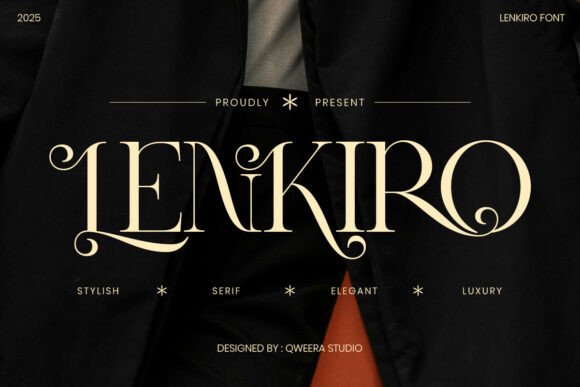
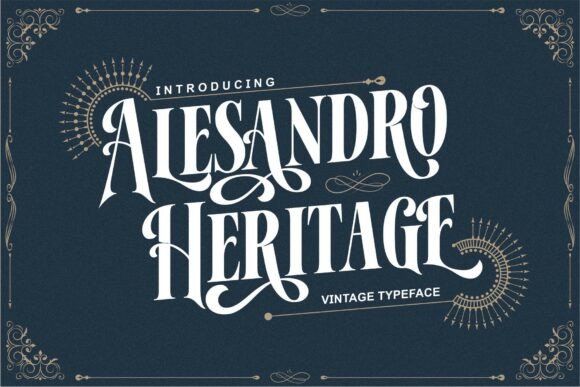
When we talk about a font like Alesandro, we are looking at a very specific design language. It is characterized by bold, high-contrast strokes. You will notice that the thick lines are substantial, providing a solid foundation, while the thin lines offer a delicate counterbalance. This interplay is essential for creating visual interest. The serifs are sharp and ornate, distinct from the blocky, utilitarian serifs you might see in a newspaper or a standard business document.
What truly sets this typeface apart, however, are the swashes and decorative flourishes. These elements are not just afterthoughts; they are integral to the font's DNA. In the context of modern typography, these details allow for a level of customization that standard fonts cannot offer. Imagine a logo where the capital 'A' features a sweeping tail, or an invitation where the 'G' curls with artistic flair. These features allow designers to create visual consistency that feels hand-crafted rather than mass-produced. It captures that feeling of premium craftsmanship, reminiscent of old-world signage or the title pages of classic literature, but optimized for today’s high-resolution screens and advanced printing techniques.
Practical Applications for Brand Identity and Marketing
As a designer or business owner, you know that typography is the voice of your brand. Alesandro is particularly effective for projects that need to convey timeless authenticity and luxury. It functions beautifully as a display font, meaning it is designed to be used at larger sizes where its details can truly shine.
Let’s look at how this translates into real-world assets:
- Logo Design and Branding: If you are launching a boutique brand, a high-end fashion label, or a craft distillery, this font sets an immediate tone of quality. It tells your audience that you value tradition and attention to detail.
- Packaging Design: On a shelf, a product has seconds to make an impression. The bold strokes of Alesandro ensure that the product name is legible from a distance, while the flourishes draw the eye in for a closer look. It is perfect for the packaging design of artisanal goods, cosmetics, or specialty foods.
- Editorial and Print Layouts: For book covers, magazine headers, or blog headers, a serif font with this much personality creates an engaging hierarchy. It can be used for pull quotes or chapter titles to break up the monotony of body text.
- Web Design and Digital Products: Contrary to the belief that ornate fonts don't work online, Alesandro performs well in digital environments when used for headings. It adds a layer of sophistication to a web design layout, particularly for hero images or landing pages for digital products.
- Social Media Graphics: In a crowded feed, standard sans-serifs can get lost. A distinctive creative font helps stop the scroll. Use it for social media graphics promoting sales, quotes, or brand announcements to improve brand recognition.
Pairing and Readability: Making It Work for You
One of the most common questions regarding premium fonts is how to use them without overwhelming the viewer. Because Alesandro has such a strong personality, it requires a thoughtful approach to font pairing.
A general rule of thumb in editorial design and branding is to pair a decorative serif with something more neutral. You want to avoid pairing Alesandro with another ornate script or a complex handwritten font, as this creates visual clutter. Instead, look for a clean sans serif font or a simple geometric font for your body copy. The contrast between the intricate details of Alesandro and the clean lines of a sans-serif allows the display font to act as the focal point while the body text remains highly readable.
Consider the hierarchy of your information. If you are designing a poster, the main headline might use Alesandro in all caps with a stylistic set enabled. The sub-headline could use the font in lowercase or small caps, and the event details (date, time, location) should be in a legible sans-serif. This ensures that your marketing assets are not only beautiful but also functional.
Understanding the Technical Specifications
For the technical side of your project, it is vital to know exactly what you are working with. Alesandro comes equipped with a comprehensive character set that supports multilingual characters, making it a versatile choice for international brands or projects targeting diverse audiences.
The package includes the essential file formats to ensure compatibility across different platforms and software:
- Opentype (OTF): This is often the preferred format for designers as it supports advanced typographic features like ligatures and stylistic alternates.
- Truetype (TTF): A standard format that ensures compatibility with almost all operating systems and older software.
- Woff (Web Open Font Format): Essential for web design, this format allows you to embed the font into your website CSS legally and efficiently.
The inclusion of both uppercase and lowercase letters, along with a full set of numerals and functional punctuation, means you have the complete toolkit. You aren't limited to just typing a headline; you can construct full sentences, addresses, and complex brand identity guidelines without running into missing glyphs.
Choosing the Right Font for Your Creative Vision
Ultimately, choosing a typeface is about alignment. Does the visual style of the font match the personality of the project? Alesandro is built for projects that value brand identity and a sense of legacy. Whether you are a small business owner creating merchandise, a content creator designing invitations, or a marketer working on advertisements, the goal is to communicate effectively.
When testing this font, try it out in the specific context where it will live. Place it on a mockup of a business card, a website header, or a tote bag. Notice how the sharp serifs interact with the background. Check the readability at various sizes. While it is designed for display, you may find that at very large sizes, the swashes add the perfect amount of drama, whereas at smaller sizes, you might want to disable certain flourishes to maintain clarity.
Typography is often the silent hero of design. It supports the message without always taking center stage, but when a font like Alesandro is used correctly, it elevates the entire composition. It turns a simple quote into a piece of art and a standard business card into a keepsake. By integrating this typeface into your workflow, you are investing in a visual asset that brings a sense of history and quality to your modern projects.